The rise of diploma mills has made the term fake degree disturbingly common in conversations about education and employment. Companies and individuals are increasingly aware that a fake degree can be produced cheaply online, marketed with professional-looking seals, and used to secure jobs or promotions. Governments and accreditation bodies struggle to keep pace, while employers develop verification procedures to detect a fake degree before hiring. Social consequences follow: trust erodes, legitimate graduates feel devalued, and institutions face reputational harm when a fake degree surfaces. Understanding how fake degree schemes operate is the first step toward prevention and remediation broadly useful.
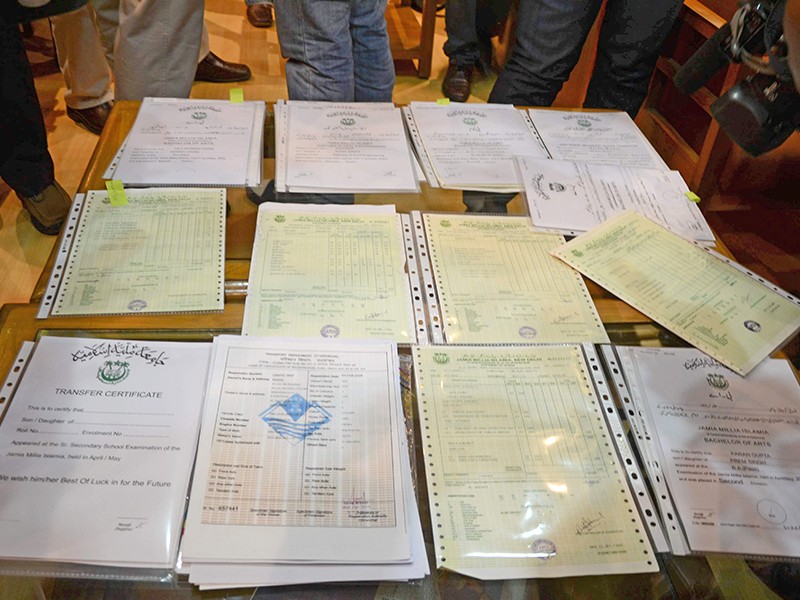
Legal responses to a fake degree vary widely by country, but penalties can include fines, criminal charges, or civil liability for fraud. Employers who unknowingly accept a fake degree may pursue termination or legal action when deception is uncovered. Some jurisdictions criminalize the production and sale of a fake degree, while others focus on prohibiting misrepresentation in professional licensing. Consumers of education must watch for deceptive providers promise fast credentials; regulators attempt to shut down operations that trade in fake degree documents. Public awareness campaigns help potential applicants spot red flags and avoid long-term consequences of using a fake degree.
Employers increasingly use verification services and background checks to flag a fake degree before a candidate starts work. Automated systems cross-reference accreditation databases and institution records to verify that a claimed diploma is genuine, but inventive scammers adapt to evade detection and market fake degree packages. Human resources teams balance speed with diligence because overlooking a fake degree can result in costly remediation, insurance claims, and damage to workplace safety or compliance. International hires present complexity as a fake degree from foreign providers requires cross-border verification. Training hiring managers to spot irregularities reduces the chance a fake degree slips through.
Students tempted by shortcuts should understand the career risks associated with a fake degree and the ethical implications of misrepresentation. While a fake degree may provide temporary access to interviews or credentials, discovery often leads to public embarrassment, revoked positions, and barriers to future licensure. Educational institutions offer legitimate alternative pathways such as accelerated programs, competency-based credits, or credit for prior learning, which reduce the appeal of a fake degree. Counseling centers and career services can guide individuals away from risky decisions and toward recognized qualifications so that the cost of avoiding a fake degree is outweighed by long-term employability.
Technology both aids and hinders the fight against a fake degree. On one hand, blockchain credentials, secure digital transcripts, and centralized verification platforms reduce opportunities for fraud and make it harder to pass off a fake degree. On the other hand, sophisticated graphics, stolen institutional templates, and social engineering enable fraudsters to sell convincing fake degree documents. Policymakers encourage investment in tamper-evident credentials and international cooperation so that a fake degree becomes easier to flag globally. Public-private partnerships can fund tools and training, creating ecosystems where a fake degree is detected faster and confidence in authentic qualifications grows over time.
Higher education institutions have an obligation to protect their brand and students by fighting fake degree abuses through verification, education, and enforcement. Registrars and alumni offices monitor for fraudulent use of diplomas, and some universities pursue legal action when a fake degree misuses their name. Transparency about accreditation status and clear guidance for employers helps prevent confusion when a fake degree appears to come from a reputable source. Collaborations among universities, accreditation bodies, and employers reduce the market for a fake degree by raising the cost and risk of engaging with unverified providers and diploma mills. Policy updates discourage fraud.
Victims of hiring based on a fake degree include coworkers who may face increased workloads, employers who suffer operational or legal exposure, and the individual whose deception is revealed. Rehabilitative options after exposure may include remediation, retraining, and formally revoking titles obtained through a fake degree. Some employers opt for restorative solutions when the individual’s skills are verifiable and no safety risk exists, while others choose termination to uphold standards. Career counseling and access to legitimate credential programs help those who used a fake degree to transition toward recognized qualifications that restore trust and long-term career prospects more quickly now.
Preventing the spread of a fake degree requires coordinated action: stronger laws, better technology, employer diligence. Public records of accredited institutions, accessible verification portals, and mandatory reporting of diploma mills make it harder to transact in fake degree documents. Employers can adopt checks and request original transcripts to reduce acceptance of fraudulent claims, and policymakers can raise penalties to deter sellers of a fake degree. Ultimately, cultural emphasis on skills, apprenticeships, and continuous assessment reduces incentives to buy a fake degree. A society that values verified competence will see fewer instances of fake degree fraud and greater trust in credentials.